

New Vulcan Professional Descaler
More powerful & advanced software

Vulcan descaler
for Agriculture & Horticulture
No salts, chemicals, metal alloys or magnets
Professional anti-scale technology - for Agriculture & Horticulture
- Reduction of scale in pipes, sprinklers and filters
- Promoting healthier and greener turf
- No need of salt or aggressive chemicals
- Less time and effort spent on cleaning
- Fruits and vegetables keep their natural taste
- Minimizing the need for fertilizers and pesticides
- No need to circulate acids
- pH levels remain unchanged, preventing corrosion
- Reduces malfunctioning of valve
Agriculture brochure – Farming brochure – Poultry brochure – Winery & Distillery brochure

Less maintenance
- Reduction of scale in pipes, sprinklers and filters
- Promoting healthier and greener turf
- Less time and effort spent on cleaning
- Reduces malfunctioning of valve
- Reduces scale build-up in pipes and equipment

Easier cleaning
- Reduction in cleaning time
- Lower use of expensive cleaning agents
- Fewer maintenance visits required for your equipment
- No down time for installation
- Less time and effort spent on cleaning
Savings
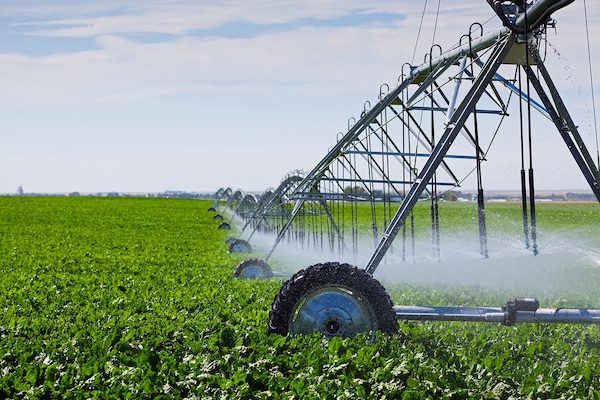
- Reduction of scale in pipes, sprinklers and filters
- Protects against rust and corrosion
- Fewer maintenance visits required for your equipment
- Better energy efficiencies up to 30%
- No need of salt or aggressive chemicals or acids
- Minimizing the need for fertilizers and pesticides
Vulcan descaler – the best choice for Agriculture
No salts, chemicals, metal alloys or magnets
Water Quality for Crop Production
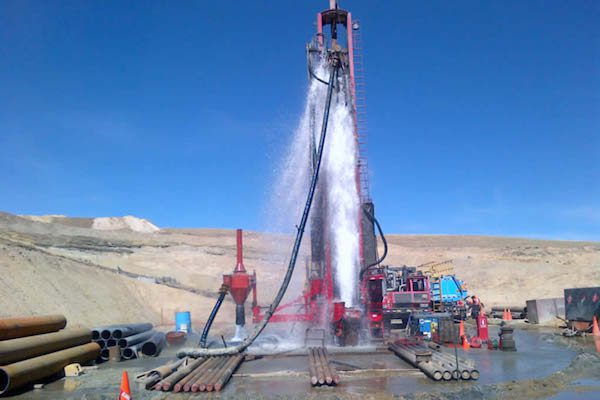
Water quality is a critical aspect of crop production. There are many factors which determine water quality. Among the most important are alkalinity, pH and soluble salts. But there are several other factors to consider, such as whether hard water salts such as calcium and magnesium or heavy metals that can clog irrigation systems or individual toxic ions are present. In order to determine this, water must be tested at a laboratory that is equipped to test water for agricultural irrigation purposes.
Poor quality water can be responsible for slow growth, poor aesthetic quality of the crop and, in some cases, can result in the gradual death of the plants. High soluble salts can directly injure roots, interfering with water and nutrient uptake. Salts can accumulate in plant leaf margins, causing burning of the edges. Water with high alkalinity can adversely affect the pH of the growing medium, interfering with nutrient uptake and causing nutrient deficiencies which compromise plant health.
pH and Alkalinity
Alkalinity and pH are two important factors in determining the suitability of water for irrigating plants. pH is a measure of the concentration of hydrogen ions (H+) in water or other liquids. In general, water for irrigation should have a pH between 5.0 and 7.0. Water with pH below 7.0 is termed “acidic” and water with pH above 7.0 is termed “basic”; pH 7.0 is “neutral”. Sometimes the term “alkaline” is used instead of “basic” and often “alkaline” is confused with “alkalinity”. Vulcan anti-scale treatment does not affect the pH of the water but instead affects the alkalinity of the water.
Alkalinity is a measure of the water’s ability to neutralize acidity. An alkalinity test measures the level of bicarbonates, carbonates, and hydroxides in water. These compounds get into the water from the geologic materials of the aquifer from which the water is drawn, such as limestone and dolomite. Test results are generally expressed as “ppm of calcium carbonate (CaCO3)”. The desirable range for irrigation water is 0 to 100 ppm calcium carbonate. Levels between 30 and 60 ppm are considered optimum for most plants.
Irrigation water tests should always include both pH and alkalinity tests. A pH test by itself is not an indication of alkalinity. Water with high alkalinity (i.e., high levels of bicarbonates or carbonates) often has a pH value of 7 or above, but water with high pH does not always have high alkalinity. This is important because high alkalinity, not pH, exerts the most significant effects on growing medium fertility and plant nutrition. Vulcan descaler has the ability to reduce the alkanility in water and have noticeable improvement in plant health and growth.

Potential adverse effects on nutrition
In most cases irrigating with water having a “high pH” causes no problems as long as the alkalinity is low. High pH water has little effect on growing medium pH because it has little ability to neutralize acidity. This situation is typical for many growers using municipal water, surface water water obtained from boreholes or wells. Vulcan descalers will work on all pipe types and help to minimise the negative effects caused by alkalinity for agriculture, farming and horticulture.
Of greater concern is the case where water having both high pH and high alkalinity is used for irrigation. One reason is that the pH of the growing medium tends to increase significantly with time. In effect the water acts as a constant and dilute solution of limestone! This increase may be so large that normal lime rates must be reduced by as much as 50%. The problem is most serious when plants are grown in small containers because small volumes of soil are poorly buffered to pH change. Therefore, the combination of high pH and high alkalinity is of particular concern in plug and seedling trays. Trace element deficiencies such as of iron and manganese and imbalances of calcium (Ca) and magnesium (Mg) can also result from irrigating with high alkalinity water. Vulcan descalers have been used successfully worldwide in all agriculture, horticulture and farming operations to improve plant health and yield.
Correcting Water Quality Problems
Hardness – Calcium and Magnesium
Hardness is an indication of the amount of calcium and magnesium in the water. Calcium and magnesium are essential elements for plant growth that are reported in parts of element per million parts water (ppm) on a weight basis. Calcium in the range of 40 – 100 ppm, and magnesium in the range of 30 – 50 ppm are considered desirable for irrigation water.
Alkalinity can be neutralized by addition of acids, however this can be ecologically detrimental and an expensive method. The use of Vulcan descaler has shown that it can have a similar effect by removing existing scale deposits from pipes, equipment, spray nozzles etc. Using Vulcan descalers improves the alkalinity of the water and the resultant benefits of better plant growth, nutrition, health and yield.
Vulcan descaler systems have become the preferred choice of forward thinking eco-conscious operations as the Vulcan systems require no maintenance, no serviceable parts and can be installed quickly without any down time or cutting of pipes.
Vulcan descalers are an economical alternative for solving the alkalinity water quality problem.
Installations using Vulcan anti-limescale systems
More powerful - Major Software Update - More Inductance Fields






























Agriculture
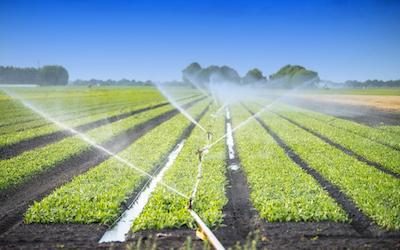
Agriculture ReferencesVulcan descaler for AgricultureWater is a valuable resource which needs to be managed properly to maximize efficient usage....

Prince Sattam University
Eco-friendly Anti-Scale systemsPrince Sattam University required an eco-friendly solution to treat the limescale caused by hard water. Vulcan...
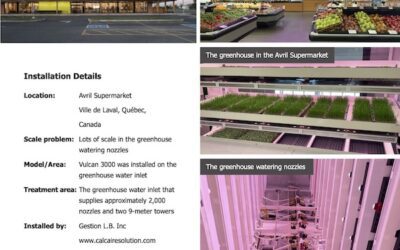
Vulcan Descaler for Avril Supermarket
Vulcan descaler for Avril Supermarket Vulcan descaler systems was selected by Avril Supermarket for scale deposits in the greenhouse watering...
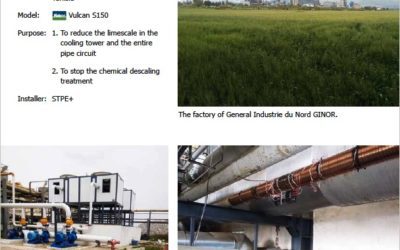
Ginor Sugar Syrup Factory
[dica_divi_carousel show_items_desktop="1" show_items_tablet="1" centermode="on" lazy_loading="on" advanced_effect="1" _builder_version="4.19.4"...
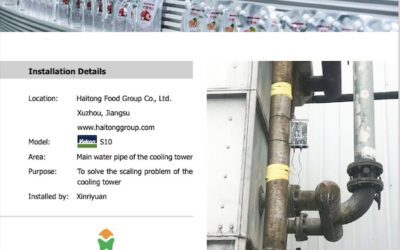
Vulcan descaler for Haitong Food Production
[dica_divi_carousel show_items_desktop="1" show_items_tablet="1" centermode="on" lazy_loading="on" advanced_effect="1" _builder_version="4.19.4"...

Vulcan descaler for Noon Crop Sciences
[dica_divi_carousel show_items_desktop="1" show_items_tablet="1" centermode="on" lazy_loading="on" advanced_effect="1" _builder_version="4.19.4"...
